Are there alternatives to riads in Morocco? Of course there are. And all the ones Chic Morocco works with are premium, because we stand out for organizing luxury tours, just like the other agencies in the Mandala Tours group. In the following lines we explain what those other types of accommodation are that you can also choose during your trip around the country.
What a riad is… and what it isn’t
Often, when you take a look at accommodation in Morocco, many places are labelled as a “riad”. It’s a trendy concept, premium and traditional at the same time, and very effective from a tourism marketing standpoint. But in reality, not all accommodation can be considered a riad.
A riad is a traditional, popular type of building in Morocco, usually located inside the medinas (walled historic centres), where different families used to live. It follows the basic principles of Islamic architecture, namely:
- exteriors that closely protect privacy (few windows and balconies, all with latticework)
- an interior open around a shared courtyard, with multi-storey galleries and a central fountain
- humble materials (adobe brick walls covered with plaster, wooden structure)
- decorative details that are also humble but refined (colourful tiles, plaster reliefs, sections in tadelakt, etc.)
Many of them were homes of modest families, while others were the residence of wealthy families, such as merchants. Tourism discovered a special charm in them, so numerous riads have been restored to house restaurants and hotels, mainly
Other premium accommodation for your trip to Morocco
As we said, riads are typical and premium, but they’re more closely tied to that specific setting: the historic medinas of cities such as Marrakech, Fez or Essaouira, to name just a few. But there are other accommodations that aren’t riads yet can be considered of a similar category (or higher), whether traditional in character or not. Here is the list of those alternatives:
- Kasbahs: another truly traditional and picturesque type of building. These are old castles built in strategic points in the Atlas and south of those mountains. They were built by Berber communities for defensive purposes, using local materials—mainly adobe—with geometric decoration around cornices, windows and doors. And inside, typically Islamic décor (tiles, plasterwork, etc.). In desert towns (Merzouga, Ouzina) we find kasbah-hotels, built in recent years, following the principles of Berber architecture but with a concept closer to a resort (see below).
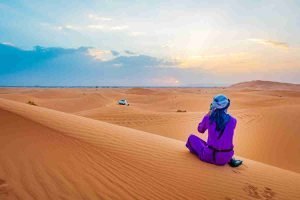
- Luxury tents: these are the typical canvas tents used by the desert’s nomadic peoples, as they could be set up, taken down and carried along on their caravan trade routes. Originally, they were modest dwellings with only the basics, as you can imagine. But today, after being adapted for tourism, they make up truly luxurious camps with private bathrooms and every kind of comfort.
- Boutique hotels: this internationally used concept refers to small hotels that, despite their reduced size, offer extra comfort, often with minimalist design. They’re often associated with riads that have undergone an extensive renovation; other times they are new-build properties in strategic neighbourhoods of cities.
- Resorts: large holiday complexes, often located right on the beachfront, as they tend to sell the appeal of relaxing by the sea, with golf courses on-site or nearby. That doesn’t stop them from having large swimming pools, sun decks and other comfort spaces, such as a gym or wellness centre.
Choosing a riad or any of these alternatives to riads in Morocco will make the difference between a good tour and a truly premium, unforgettable trip. Get in touch with us and we’ll advise you.